 Club Nacional de Football
The Context of Football in 1980
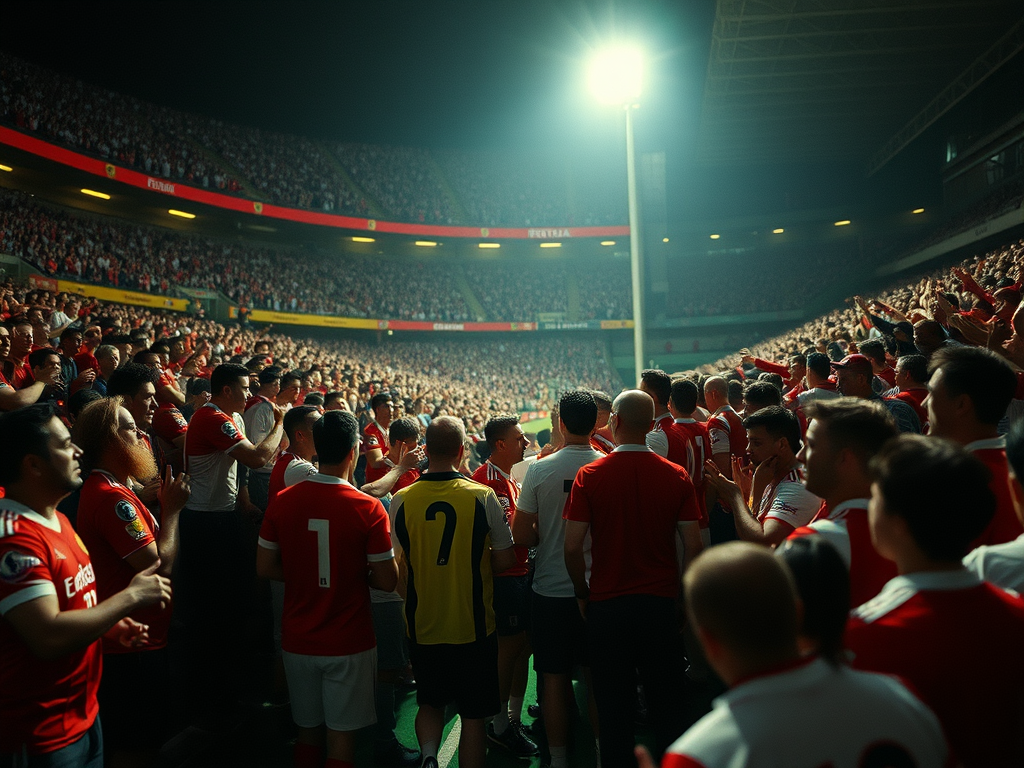
In the 1980s, Brazilian football was undergoing a significant transformation. The pursuit of a more fluid and offensive game was on the rise, and clubs like Nacional were at the forefront of this change. Under the leadership of visionary coaches, the team began to implement innovative tactics that not only attracted the attention of fans but also influenced the way the game was played across the country.
Nacional's Tactical Philosophy
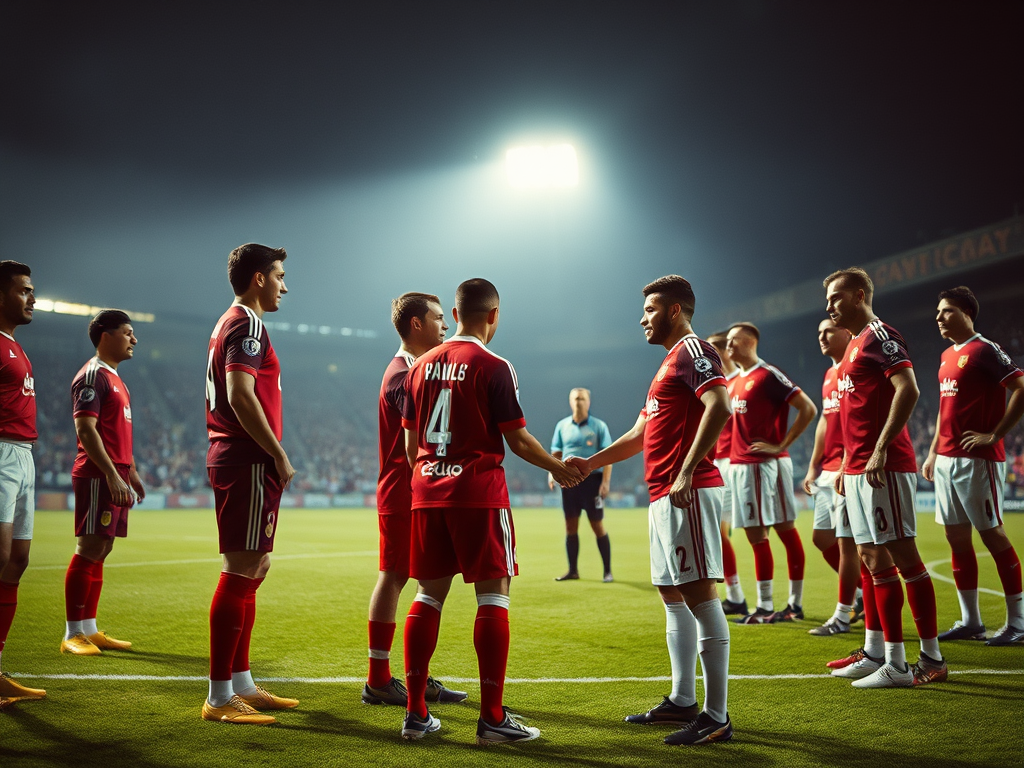
Nacional adopted an approach that prioritized ball possession and constant player movement. Rather than relying solely on individual plays, the focus shifted to collective building, where each player had a vital role in creating opportunities. This philosophy reflected an era when technique and collective intelligence began to be valued in Brazilian football, and Nacional stood out as a brilliant example of this new paradigm.
Players Who Made a Difference
Players like Afonso and Mário Sérgio became icons of this new era at Nacional. With exceptional skill and keen game vision, they not only contributed goals but were also crucial in play construction. The synergy between the athletes, combined with the new tactical approach, resulted in a style of play that delighted fans and placed Nacional in a prominent position on the national stage.
The Lasting Impact
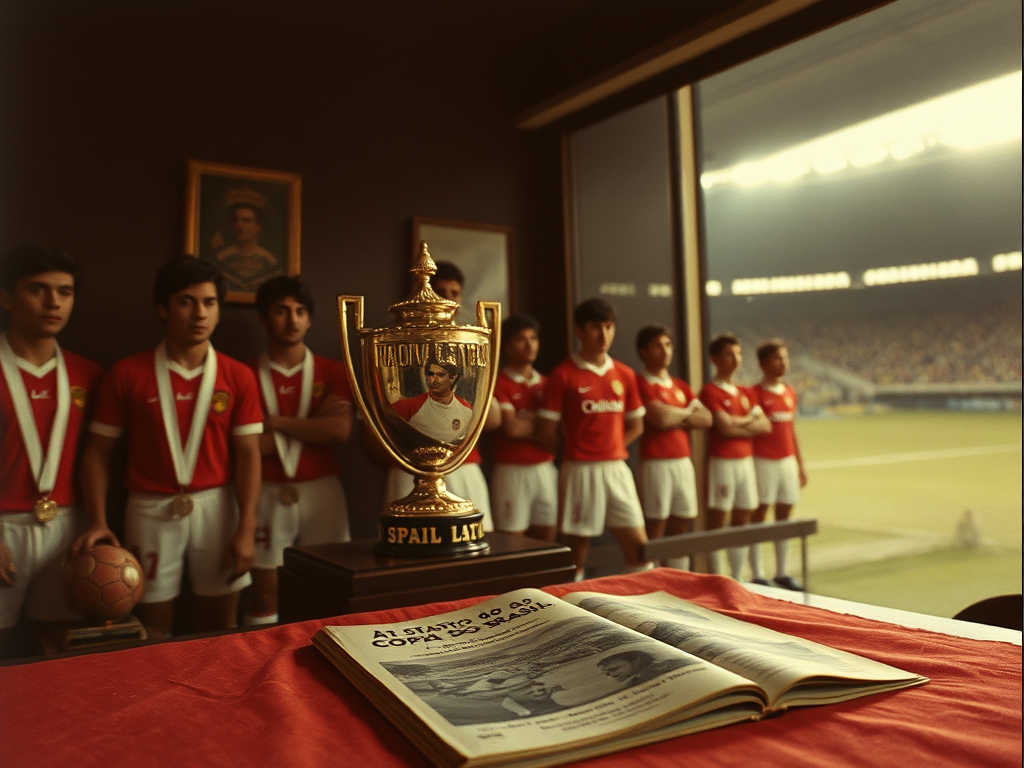
The impact of Nacional's tactical innovations in 1980 was profound and enduring. The way the team played inspired other clubs to adopt similar philosophies, leading to an evolution in Brazilian football as a whole. Nacional, therefore, not only won titles; it became a symbol of progress and innovation in the sport.
Legacy and Current Relevance
Today, as we look back, it is clear that Nacional not only made history but also shaped the future of football in Brazil. The lessons learned in 1980 continue to resonate in the tactics and playing philosophy of contemporary clubs. Nacional's tactical revolution remains alive, reminding us that innovation is key to success, both on and off the field.