 Club Nacional de Football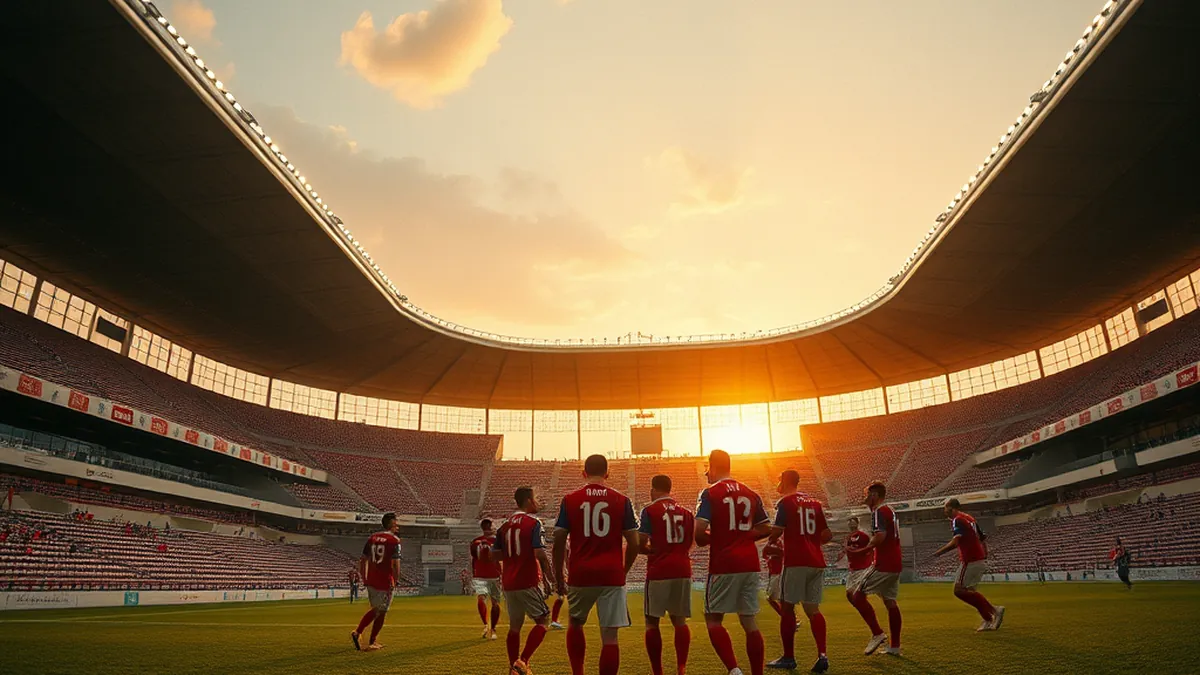
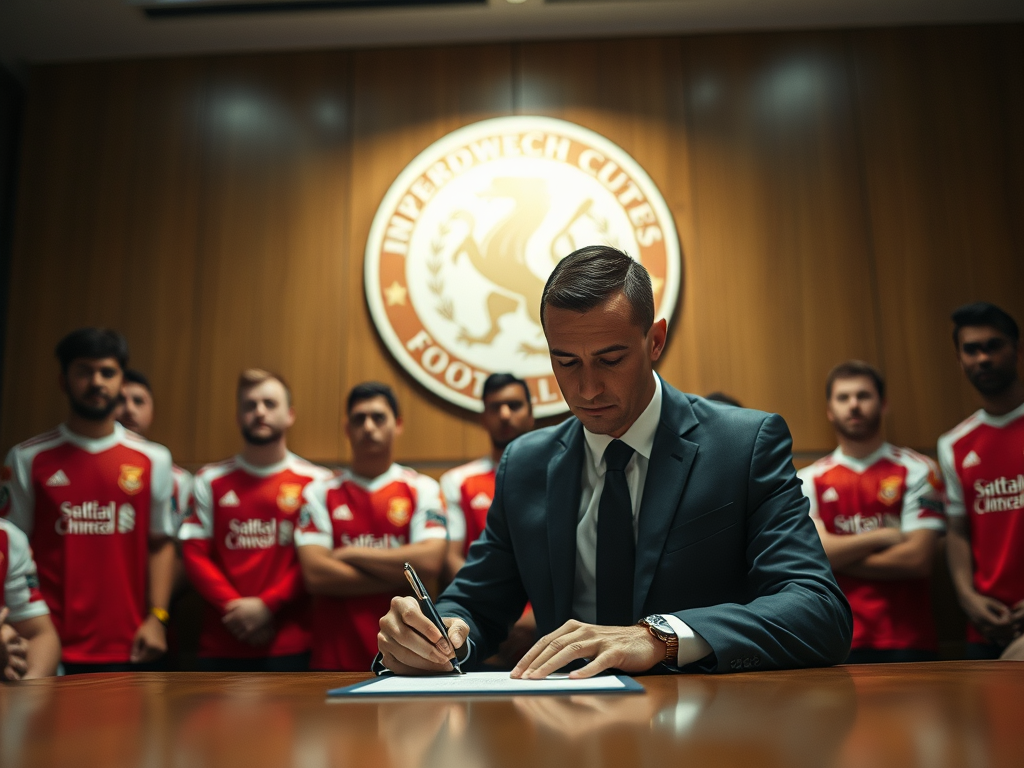
The 1970s were a historic milestone for the Club Nacional de Football, where the club not only collected titles but also transformed the way football was played in Uruguay. Under the leadership of visionary coaches and with a roster filled with talent, Nacional set a standard that would influence future generations.
One of the most emblematic moments of this era happened in 1971 when Nacional won the Copa Libertadores, a feat that solidified its position as one of the powerhouses of South American football. The team, led by icons such as Atilio García and Fernando Morena, was known for its offensive and collective play, captivating not only the tricolor fans but also football lovers across the continent.
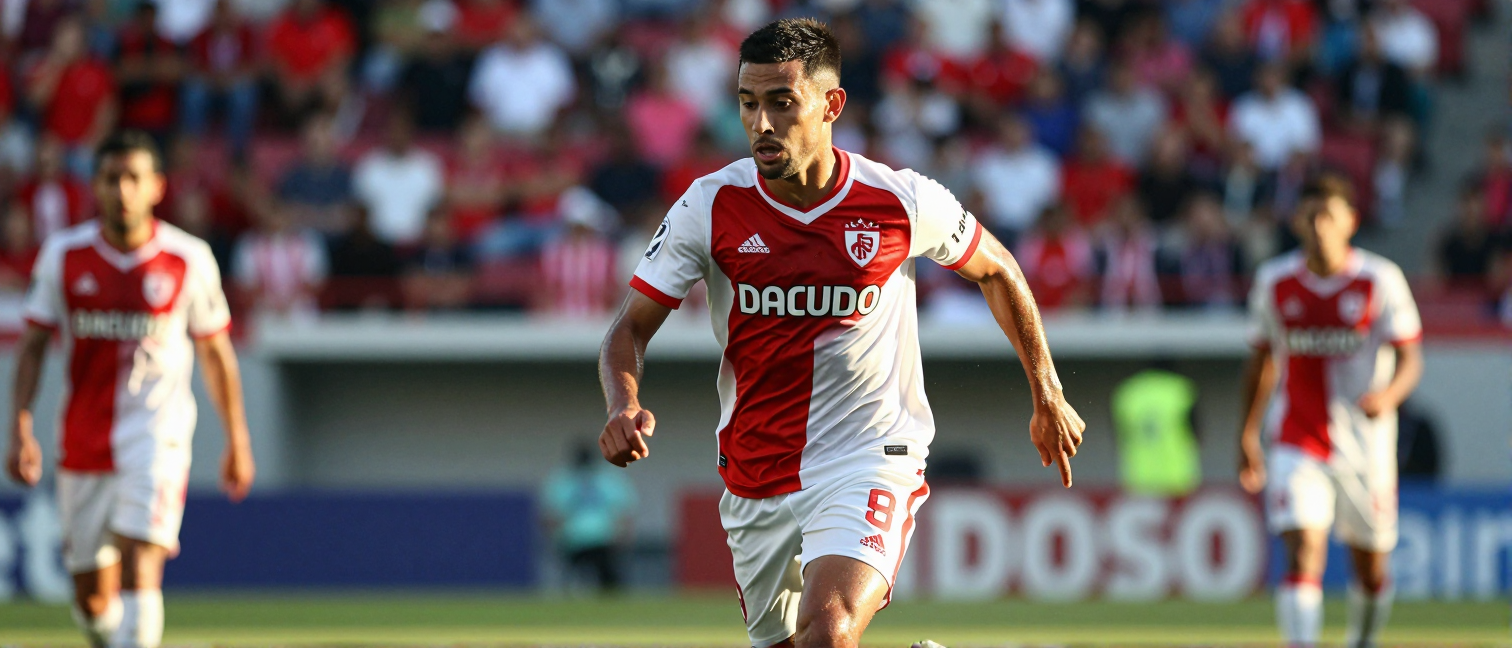
Nacional's style of play during this time was characterized by a strong defensive system combined with a fast and dynamic attack. Players like Atilio, with his finishing skills, and Morena, who stood out as a top scorer, were key pieces in this scheme. Nacional didn’t just win matches; it enchanted and left a mark on the hearts of its fans.
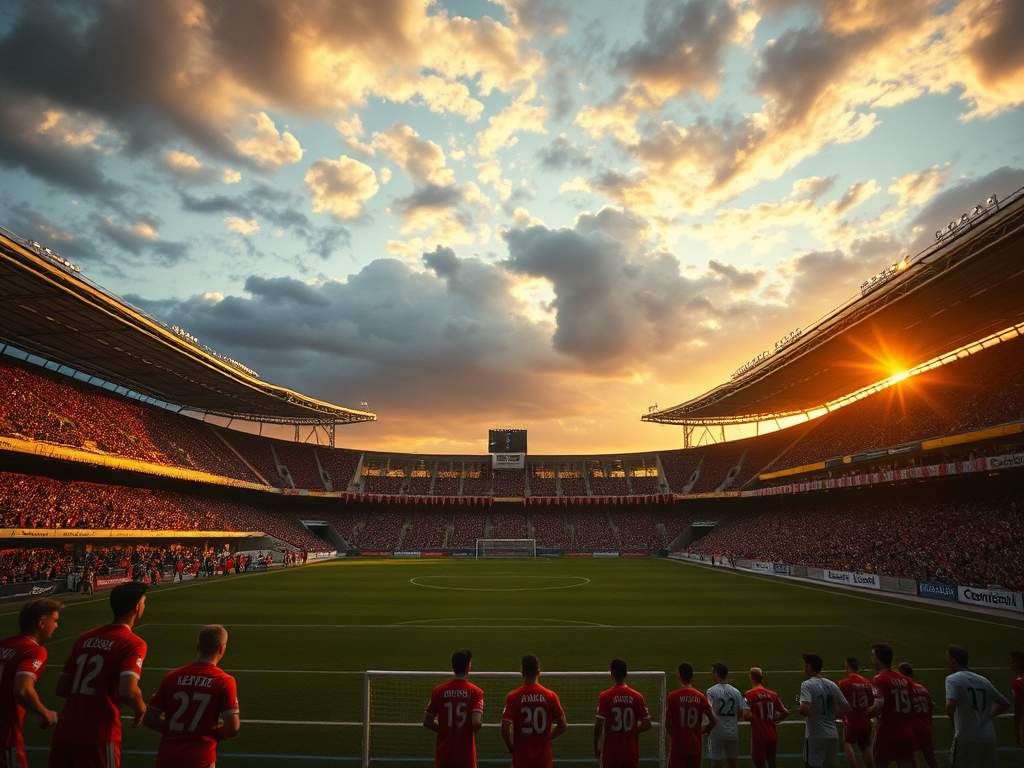
In addition to the titles, the 1970s were also a period of great rivalries, especially against its biggest rival, Peñarol. Every clásico was an epic battle, and the atmosphere in the stands of Estádio Beira-Rio was electrifying. The passionate and fervent tricolor fans gathered in droves to support their team, creating an environment that seemed to propel the players to memorable performances.
However, the significance of this era goes beyond the trophies won. The 1970s saw a growth in Nacional’s fanbase as more young people became passionate about the club. The social impact of Nacional was significant, as the club became a symbol of identity and pride for many Uruguayans, especially in Porto Alegre, where its presence is strong.
The echoes of that era still resonate today, and many tricolor fans fondly remember the victories and great moments. The lessons learned during the 70s are still applied in the tactics and strategies of the contemporary club. The legacy left by players and coaches of that time is a testament to the indomitable spirit of Nacional, a team that not only survived but also thrived amidst the challenges of modern football.
Thus, celebrating the revolution of Nacional in the 70s is to honor not only the triumphs on the field but also the passion and loyalty of a fanbase that has never stopped believing in the greatness of its team. The Club Nacional de Football, with its rich history, continues to inspire new generations of supporters, keeping the flame of its glorious golden era alive.